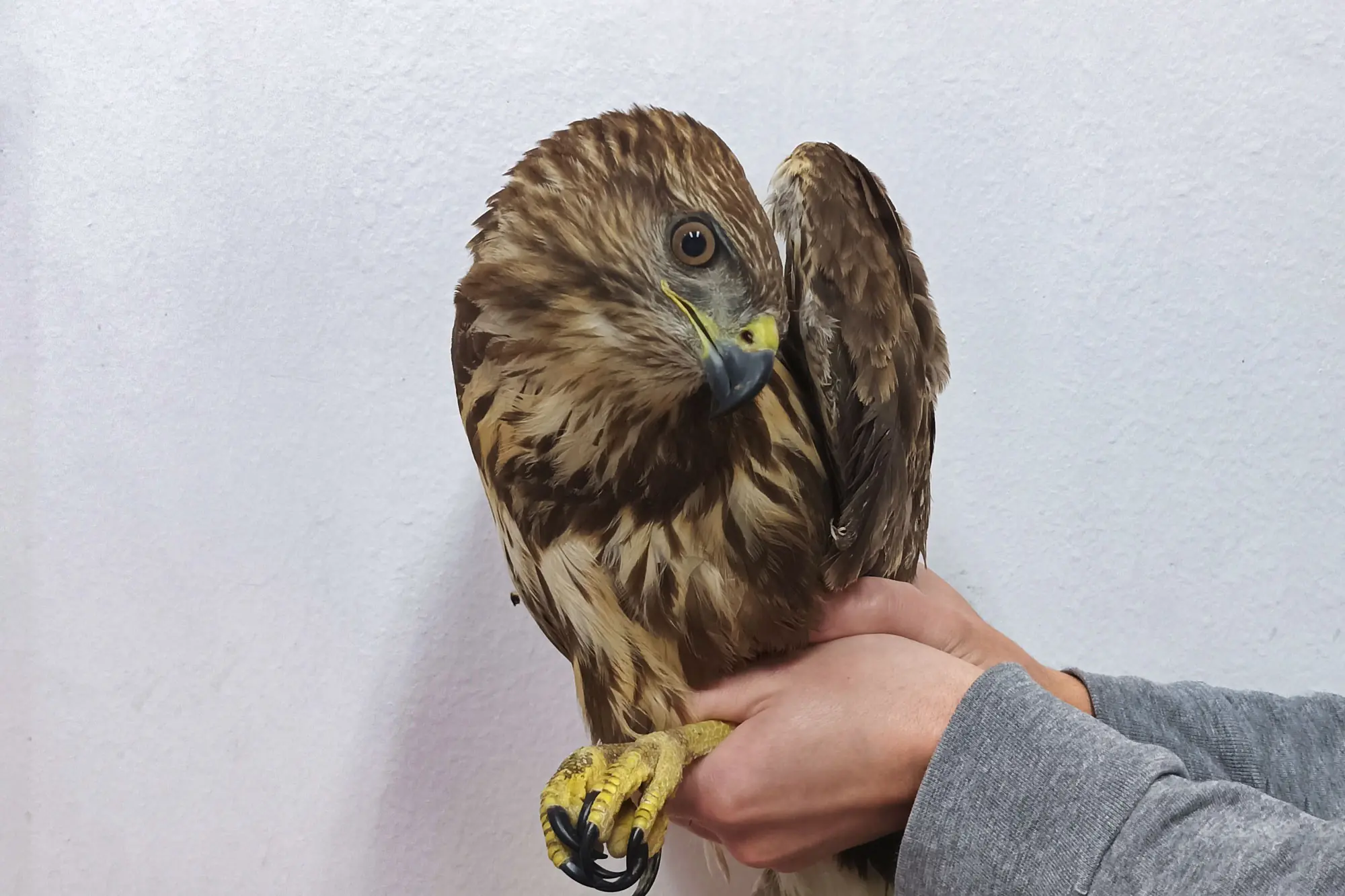
Within a short period of time, two Buzzards arrived at the Action for Wildlife Rehabilitation Center with gunshot wounds, once again revealing the serious problem of targeting species that are not game animals.
The first Buzzard was found on the ground weak, with obvious difficulty in movement and balance. The X-ray revealed 8 pellets scattered throughout her body, as well as bullet fragments in the elbow of her wing, where a fracture was also identified. The fracture has a chance of improvement with intensive care, but the severe neurological symptoms make her prognosis uncertain.
The second Buzzard that was received also had gunshot wounds. Despite the immediate effort to provide care, she did not survive. Her loss reflects the severity of the injuries caused by such attacks and the extremely small chance of full recovery when the trauma is extensive.
It is not the first time we have received a shot Buzzard (see here) · unfortunately, this has become a recurring phenomenon, not only for these birds of prey but also for other animals that often arrive with gunshot wounds (see here).
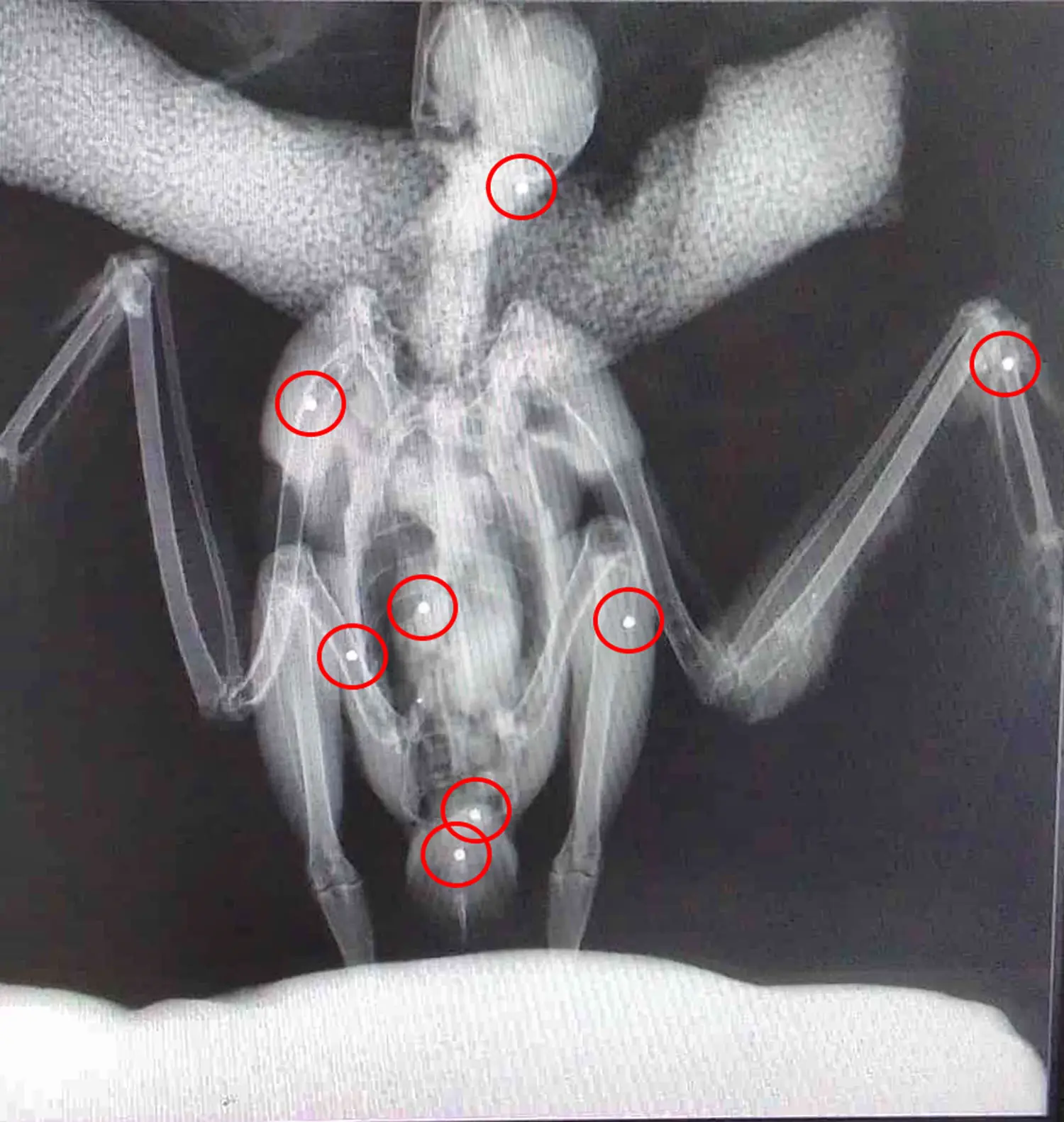
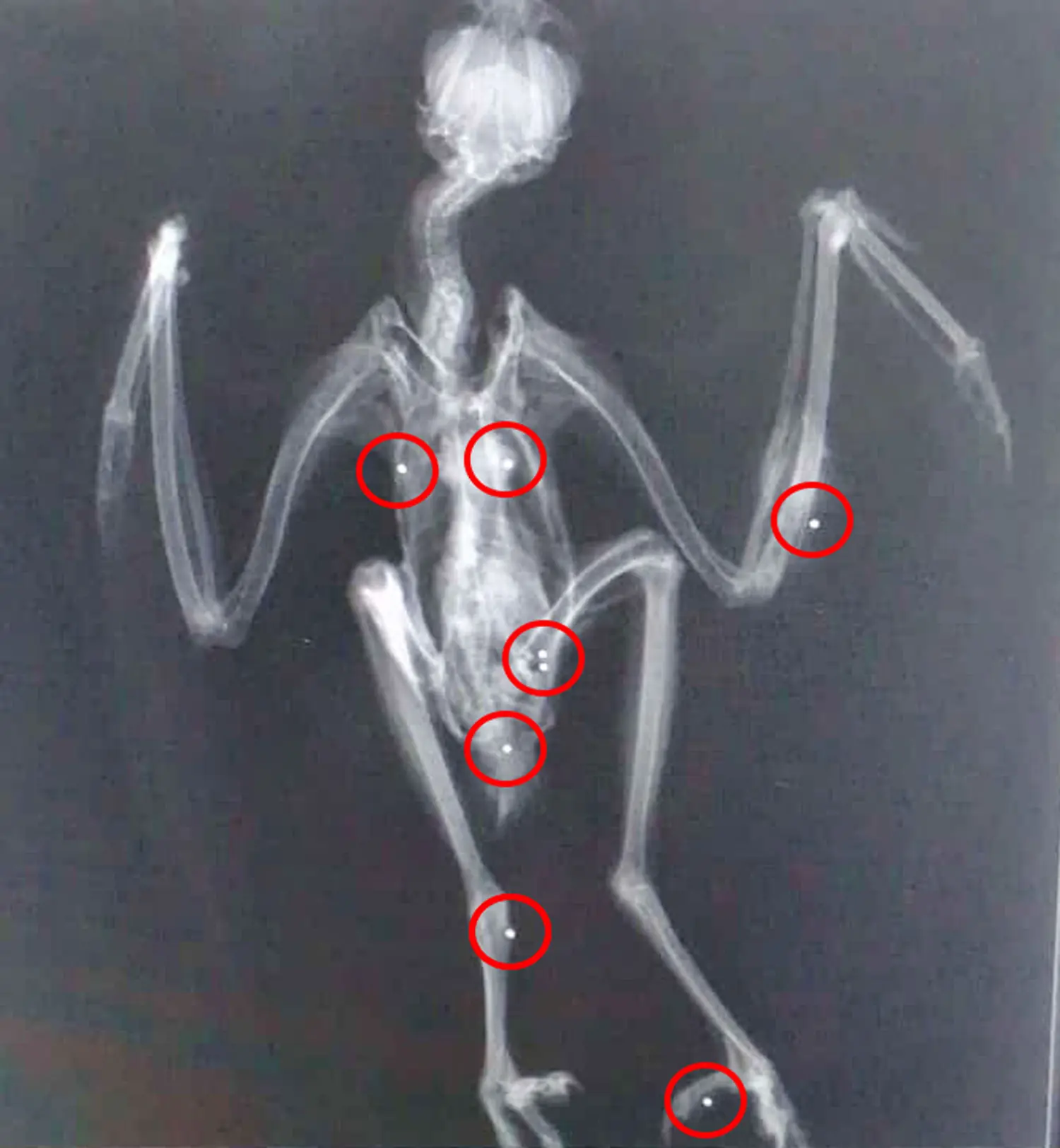
Poaching, although completely illegal, remains a practice that continues to threaten many species of wildlife. The Buzzard is not a game species and is protected under both Greek and European legislation. Nevertheless, the recurring incidents of targeting show that the application of the law is not guaranteed, while the consequences for ecosystems are immediate: these birds of prey are crucial regulators of animal populations and important indicators of environmental health.
If someone suspects or witnesses an incident of illegal hunting, the correct response is clear: they should not approach or confront the perpetrators, but instead document—only if it is safe—the location, time, possible vehicles, or sounds of gunfire, and immediately notify the competent authorities (Forest Service, Police). Timely reporting of such incidents can prevent further losses of wildlife and assist in the investigation and recording of violations.
Action for Wildlife will continue to provide care for every injured animal that arrives at the Health Center, but the essential protection of wildlife begins with prevention, awareness, and the active involvement of citizens.
To continue this work and provide care for animals that arrive in critical condition, your support is essential. Donations, whether small or large, directly contribute to the costs of treatment, examinations, medications, and the equipment required to give each wild animal the chance it deserves. With your help, we can stand by these creatures when they need it the most.
You can make your donation here, or get one of our souvenirs here, or symbolically adopt one of the animals we care for at the Health Center here.