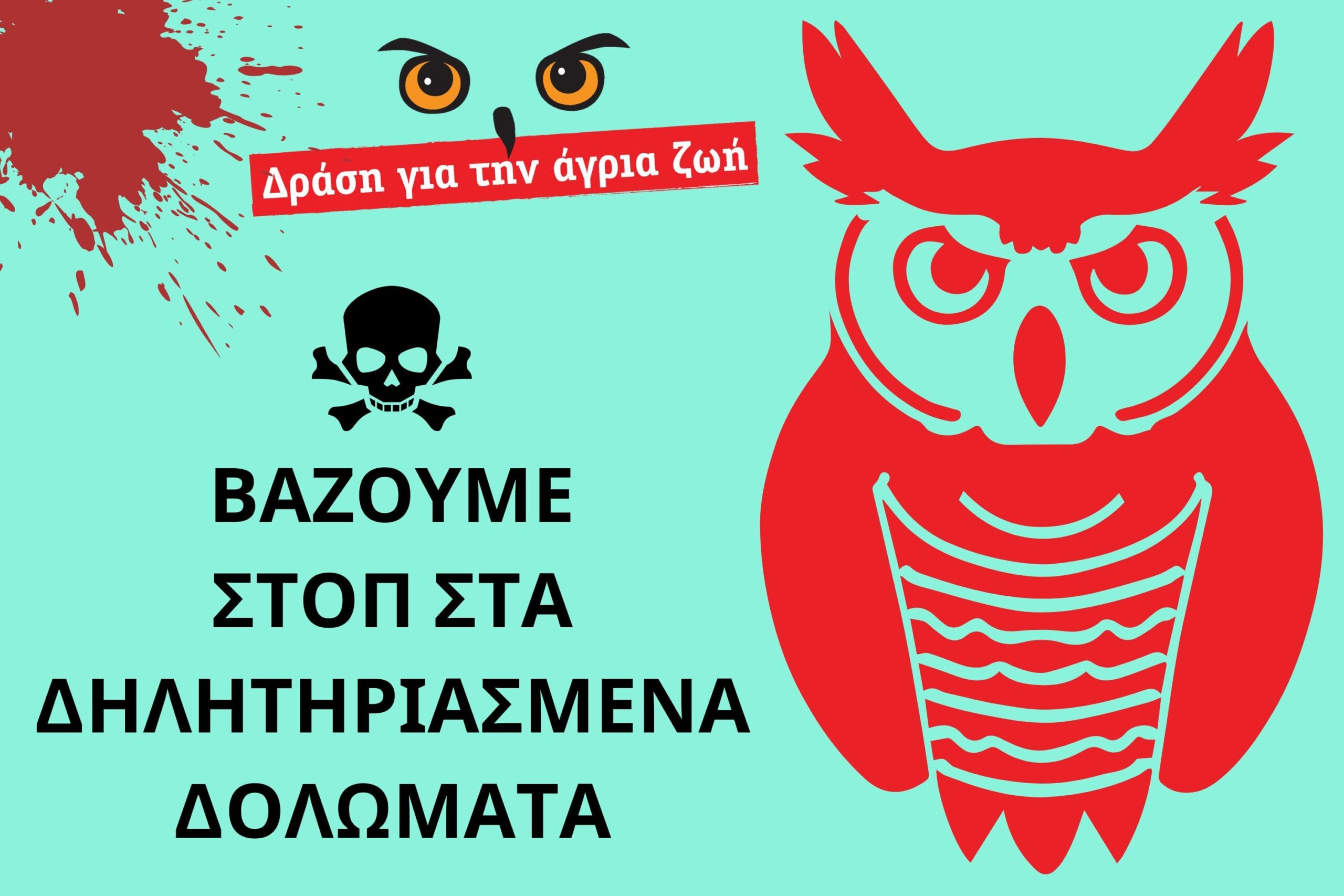
Ακόμα μία φορά, στο ίδιο σκηνικό τραγωδίας. Κάποιος εγκληματεί κατά της φύσης στην Ελλάδα, δολοφονώντας μία οικογένεια σπάνιων Χρυσαετών.
The Action for Wildlife Care Center struggles every day to provide care to injured animals, giving them a chance to return freely to the wild. Volunteers give their souls, while at the same time, criminals continue their destructive work, leading many wild animals to their deaths.
It's not just about the animals shot by poachers, such as the buzzard that recently arrived at the Center. There are also those who scatter poisoned baits in the countryside, causing senseless death.
These poisons not only threaten wildlife, but also pose a serious risk to domesticated or stray animals, working animals such as dogs, and even humans. A crime that irreparably harms nature and society.
This time, it appears that a family of rare Golden Eagles fell victim to this horrific crime, meeting a tragic death.
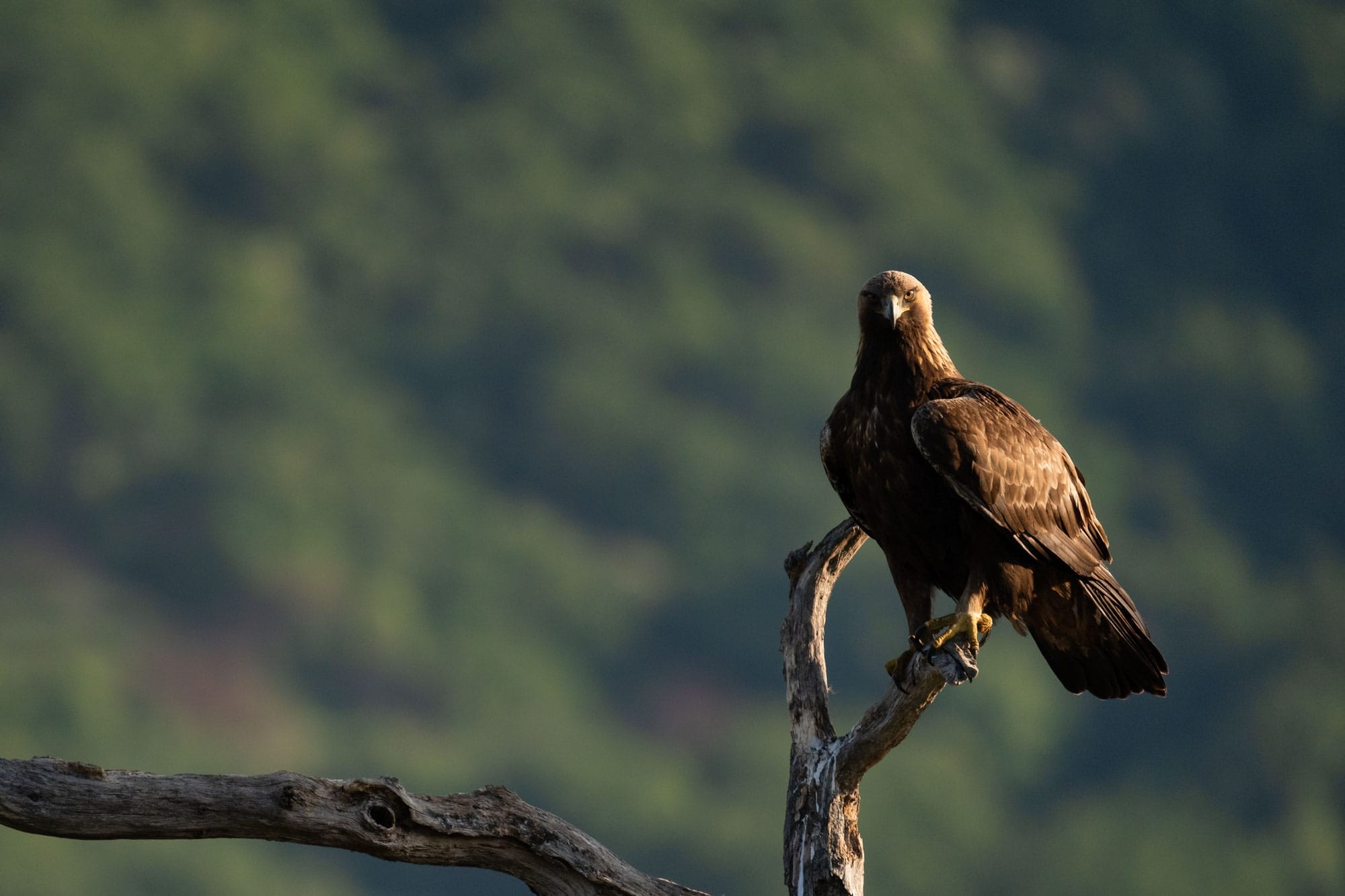
Photo by Vaios Vitos
Beyond the tragedy of the situation, it is important to know how to react if we find a dead animal in the countryside, especially if there are signs of poisoning. The following are the basic instructions as recorded on the OFYPEKA website:
What should I do if...
…I find a poison bait or poisoned animal in the countryside
- Do not touch it and keep a safe distance!
- If I have pets or children around me, I keep them under close surveillance, so they won’t touch anything or eat any poisoned baits still left in the area.
- Take some photos.
- If possible, call at 1591 (Forestry Service), 100 (Police) or, if I am in a protected area, at the local NECCA Management Bodyν and give as many details as possible, regarding the exact location of the incident.
- If possible, I remain at the spot until the authorities arrive.
- If I find a poisoned animal, which is still alive in the countryside, call one of the following Animal Rescue Centres for further guidance:
- ANIMA – Hellenic Wildlife Care Association Athens: 210 9510075 & 697 266 4675
- Action for Wildlife,
Thessaloniki: 697 991 4852- Alkyoni Aegean Wildlife Hospital
Paros: 22840 22931, 6944 741616- KEPAZ Centre for Wildlife Protection and Care
Pyrgos (Trifylia), Peloponnese: 6985 620111 & 27630 41446- Naxos Wildlife Protection,
Naxos: 697 6797070…I hear that someone has used poisoned baits in the countryside
- I call at 1591 (Forestry Service), 100 (Police) or, if I am in a protected area, at the local NECCA Management Body. I give as many details as possible, regarding the exact location of the incident.
- I express my disapproval of this action among the other members of my community and inform and discuss for alternative possible ways to solve any potential drivers behind this practice, which are safe and legal, such as alternative preventive measures and tools and requests to competent authorities to implement more intensive surveillance of hot-spots/places with frequent occurrence of poisoned baits.
Protecting wildlife is everyone's responsibility. Any case of killing or poisoning of animals should not go unnoticed or unpunished. With awareness, proper information and immediate action, we can contribute to the protection of nature and its unique creatures, ensuring a safer future for all species that live near us.
More information can be found here.