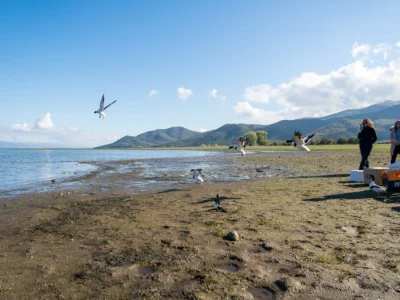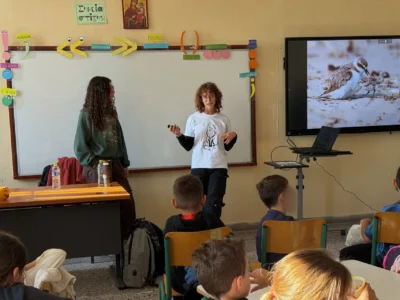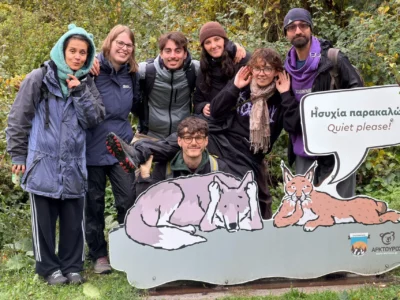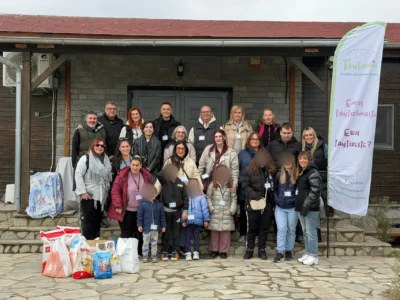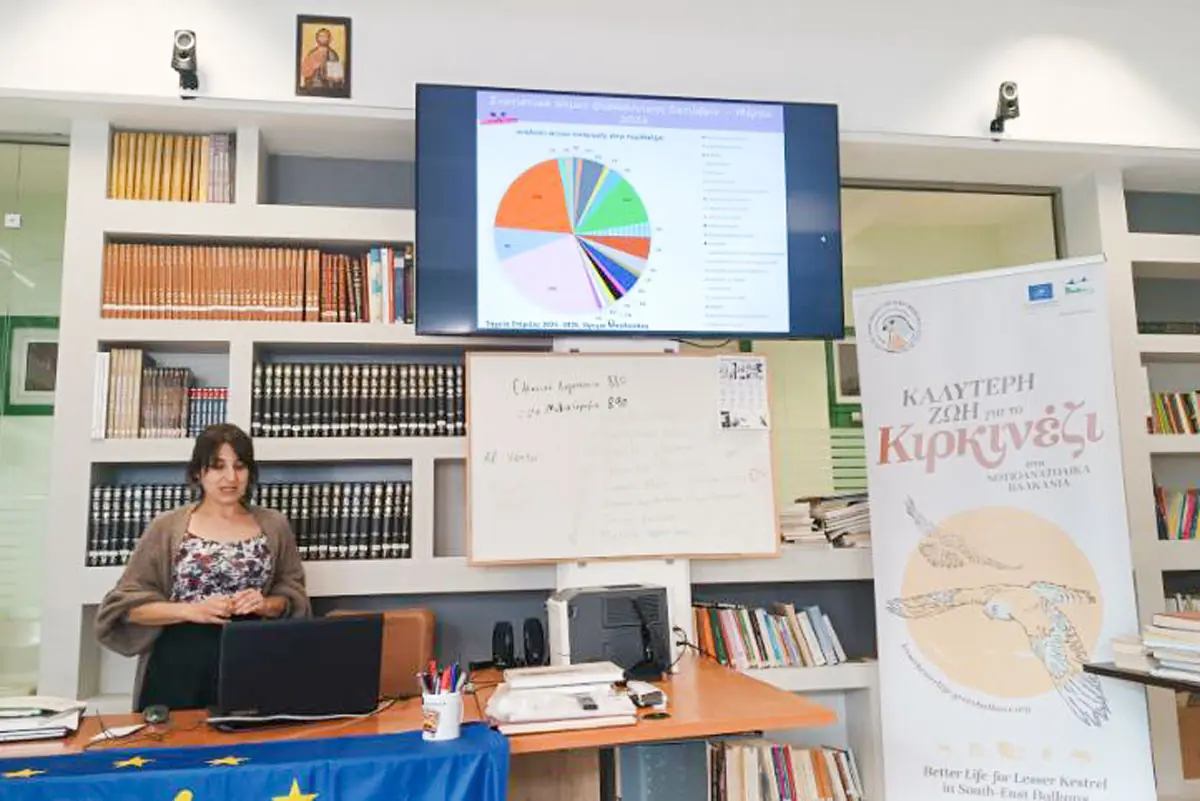
Action for Wildlife participated in the information activities held on 8 and 9 May 2026 in the Regional Unit of Kilkis, within the framework of the European project LIFE for Lesser Kestrel “Better Life for the Lesser Kestrel (Falco naumanni) in the South-Eastern Balkans” (LIFE19 NAT/BG/001017).
The participation of Action for Wildlife concerned the presentation held on 9 May, focusing on Wildlife Rehabilitation and its role in the protection of wild fauna.
Through the experience of the Wildlife Health Center and the data recorded daily from the cases admitted for care, the main causes that lead Wild Animals to need rehabilitation were presented.
Special emphasis was placed on real cases from the Center, as they help participants understand in a direct way the threats wildlife faces. Collisions, entrapments, attacks by domestic animals, electrocutions, road accidents, poisonings, human interventions and habitat loss are some of the factors that affect Wild Animals on a daily basis.
Through these examples, it was highlighted that Wild Animals live beside us, in cities, villages, agricultural areas, wetlands, forests and peri-urban zones. They are affected by our choices and activities and require a responsible attitude when we encounter them.
The activity is connected with the programme “Wild Fauna and Humans: A Relationship Under Monitoring”, implemented by Action for Wildlife since October 2025, with the support of the A.G. Leventis Foundation, within the framework of the “Points of Support” programme, which is co-funded by ten public benefit organisations.
The programme concerns the systematic recording and analysis of the causes of admission of Wild Animals into rehabilitation, found in the urban and peri-urban areas of the Regional Unit of Thessaloniki. It is based on data collected by Action for Wildlife through the daily operation of the Wildlife Health Center. The data refer to the last six months and come from Wild Animal cases admitted for rehabilitation, care and recovery.
Environmental information is an important part of wildlife protection. When students, teachers and local communities are informed in a simple and well-documented way, they can better recognize problems, avoid incorrect handling and contribute meaningfully to the protection of Wild Animals.
Action for Wildlife warmly thanks the LIFE for Lesser Kestrel project team and the Hellenic Society for the Protection of Nature for the invitation and cooperation.
With the support of citizens, volunteers, members and donors, Action for Wildlife continues every day to care for Wild Animals, record valuable data and inform the public about the need to protect wild fauna.